

How To Repair Matte Finish Ceramics
How to Mix Color: Basic Theory
Any colour can be made using the post-obit nine colors: Bluish, Red, Yellow (the chief colors), Light-green, Orangish, Majestic (the secondary colors), White, Blackness, and Ocher.
Understanding the basics is key when starting to paint. If y'all plan to paint repaired ceramic or sculpture and take painting feel, y'all can skip this paragraph. Reading the information beneath is helpful, but in practice actually mixing colors is essential.
Having a basic knowledge of the color wheel is really of import.
Iii primary colors, Blue, Red and Xanthous: These are the colors that are impossible to mix from a combination of other colors.
The 3 secondary colors, Orangish, Violet, and Green: These are a mix of two primary colors. For instance, mix primary yellow and primary red to make secondary color orange.
These three primary colors and 3 secondary colors make up the basics of the colour cycle.
This is where theory and reality depart - the color wheel should be used simply as a tool to understand colors beliefs rather than a guide for choosing paints while implementing. The variations are also many for the color wheel to show them all.
For case: Cadmium Red is an orange-red and will have a bias towards yellow. Alizarin Crimson is a blueish-red and will take a bias towards majestic. And so it is non only equally easy equally buying a "pure red" and a "pure yellow" -- they don't exist.
Complete Repair Instance Including Painting
Developing your Artist's Eye
The procedure of developing your Artist's eye can take a while. A few people have it intuitively and well-nigh have practice. So be patient. At the get-go, you'll exist sure yous mixed a color perfectly but as you apply information technology adjacent to other colors or the color y'all are trying to duplicate, it volition expect incorrect. Trying again and again is the just way for you lot eyes and brains to outset understanding the slight differences and what color is missing a chip more.
What is Hue?
Hue is the easiest to understand: at its most basic, it's art speak for the actual color of a paint or object.
What is Value?
Value or tone is a measure of how light or dark a color is, without any consideration for its hue. The trouble with a colour's value or tone is that how calorie-free or dark is seems is also influenced past what's going on around it. What appears lite in ane circumstance, tin can appear darker in another circumstance, for instance when information technology'due south surrounded past even lighter tones. (See picture on right).
What is Blush?
The chroma or saturation of a color is a measure of how intense it is. Retrieve of it every bit "pure, bright color", compared to a colour diluted with white, darkened by black or grey, or thinned by being a coat. Variations in chroma can exist achieved past adding different amounts of a neutral gray of the same value as the color you're wanting to alter.
Aren't Value and Chroma the Aforementioned Thing?
Color mixing would exist easier if they were, but they're not. With chroma you're considering how pure or intense the hue is, whereas with value you lot're non because what the hue is at all, only how light or nighttime information technology is.
Exercise I Demand to Consider Hue, Value, and Blush Every Time I Mix a Color?
As a beginner painter, yes you do. But the good news is that with experience of colour mixing, it becomes easier and less of a systematic process. Initially it's well worth taking the time to consider the hue, value, and chroma in a color yous're want to friction match, making a judgment or decision on each before you attempt to mix the color. Y'all'll waste less paint and not have equally much frustration by mixing the "incorrect" colors.
How to Friction match a Colour?
When you lot beginning showtime its advisable to have your time to understand each stride.
Pace 1: Analyze the hue - what color is it closest to on the color bicycle?
Step two: Analyze the value - How light or dark is it?
Step 3: Analyze the saturation - How bright or dull is it?
Some Color Recipe Examples
Blueish Greenish -1 part yellowish, 3 parts blue
Blue Violet - 2 parts blue, ane function red
Chocolate-brown - ane function yellow, 1 function red, 1 role blue
Charcoal - 2 parts blue, ane part red, i function yellow
Citron 1 - part orange, 1 part green
Flesh - start with white and add yellow, red, dark-brown and sometimes blue.
Note: Flesh is the hardest color to depict (equally y'all might imagine) then you will take to experiment with the ratios.
Light-green - i part xanthous, 1 part blue
Olive i - office green, 1 part violet
Orangish -1 function blood-red, ane role yellow
Pink -1 part red, one office white
Red Orange - 2 parts red, 1 part yellow
Red Violet - ii parts red, 1 part blueish
Russet -1 office orange, 1 part violet
Violet - two parts blueish, 1 office scarlet
Yellow Green - two parts yellow, 1 part blueish
Yellowish Orange - two parts yellowish, 1 part red
White makes any shade lighter, while the reverse colour on the colour wheel volition darken it.
**Artificial light e'er leads to inaccuracy in colour matching, so apply natural light **
Glazing Over The Painted Expanse?
Detailed lesson will exist added at a afterward date (sorry!). See link for Sylmasta cold coat. To properly apply cold glaze, air brushing is a must .
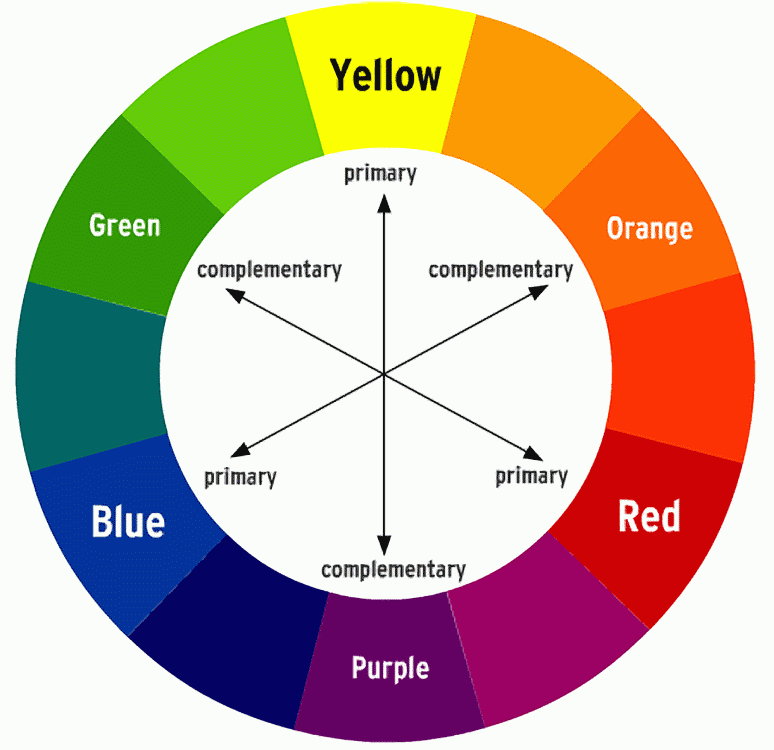
Color bicycle

Oil paints
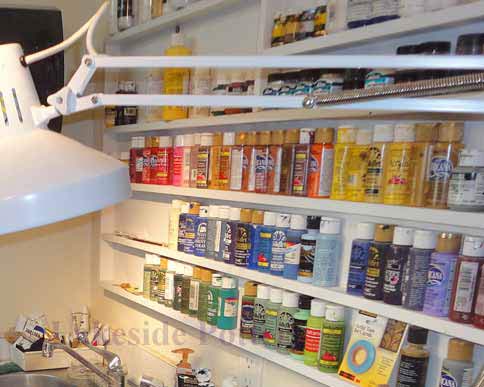
Acrylic paints
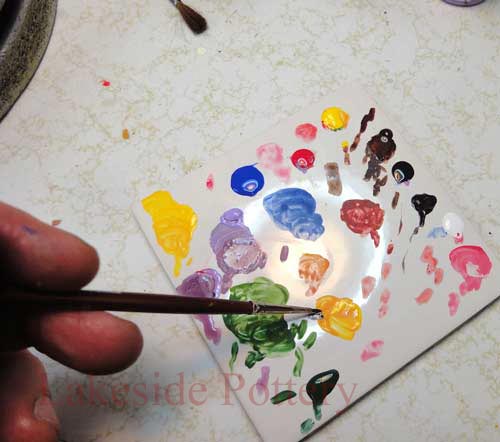
Mixing colors
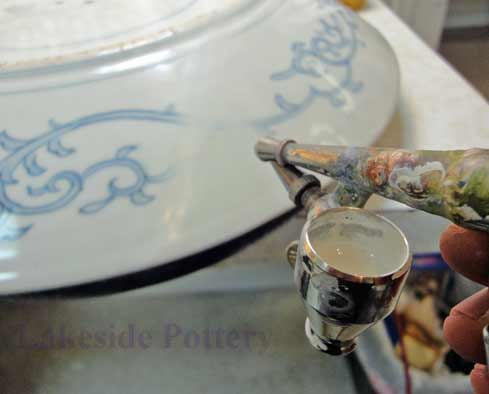
Spraying with airbrush

Values
Instance
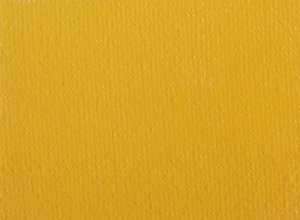
Target color
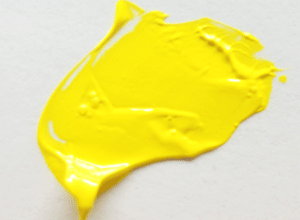
Starting with yellowish
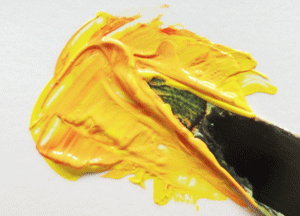
Adding colors
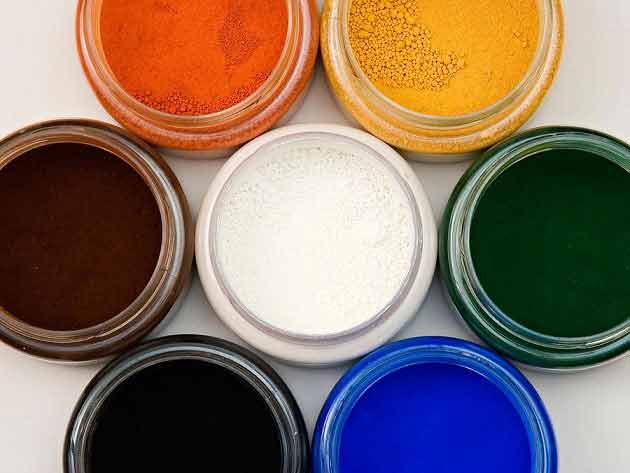
Mineral pigments
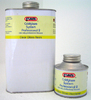
Cold glaze, non-yellowing - to Purchase

Source: https://www.lakesidepottery.com/Pages/Pottery-tips/painting-coloring-repaired-ceramic-sculpture-tutorial.htm
Posted by: coatesquidents96.blogspot.com
0 Response to "How To Repair Matte Finish Ceramics"
Post a Comment